


Unlocking Women's Health:
Funding
Thank you for your interest. The slides and full recording from our November 18 session are ready for you.
Download the Slides and Recording
Fill out the short form to get the full slide deck (PDF) and the complete session recording, including the live Q&A.
✓ Full video recording
✓ Insights from ARPA-H and Daré Bioscience
Download Resources
Meet the Speakers

Sam Tetlow
Sam has secured more than $1B for life science clients at 2-4x national win rates, with prior operating and investing experience across companies including EpiCypher, ILS Genomics, and Tranzyme Pharma.
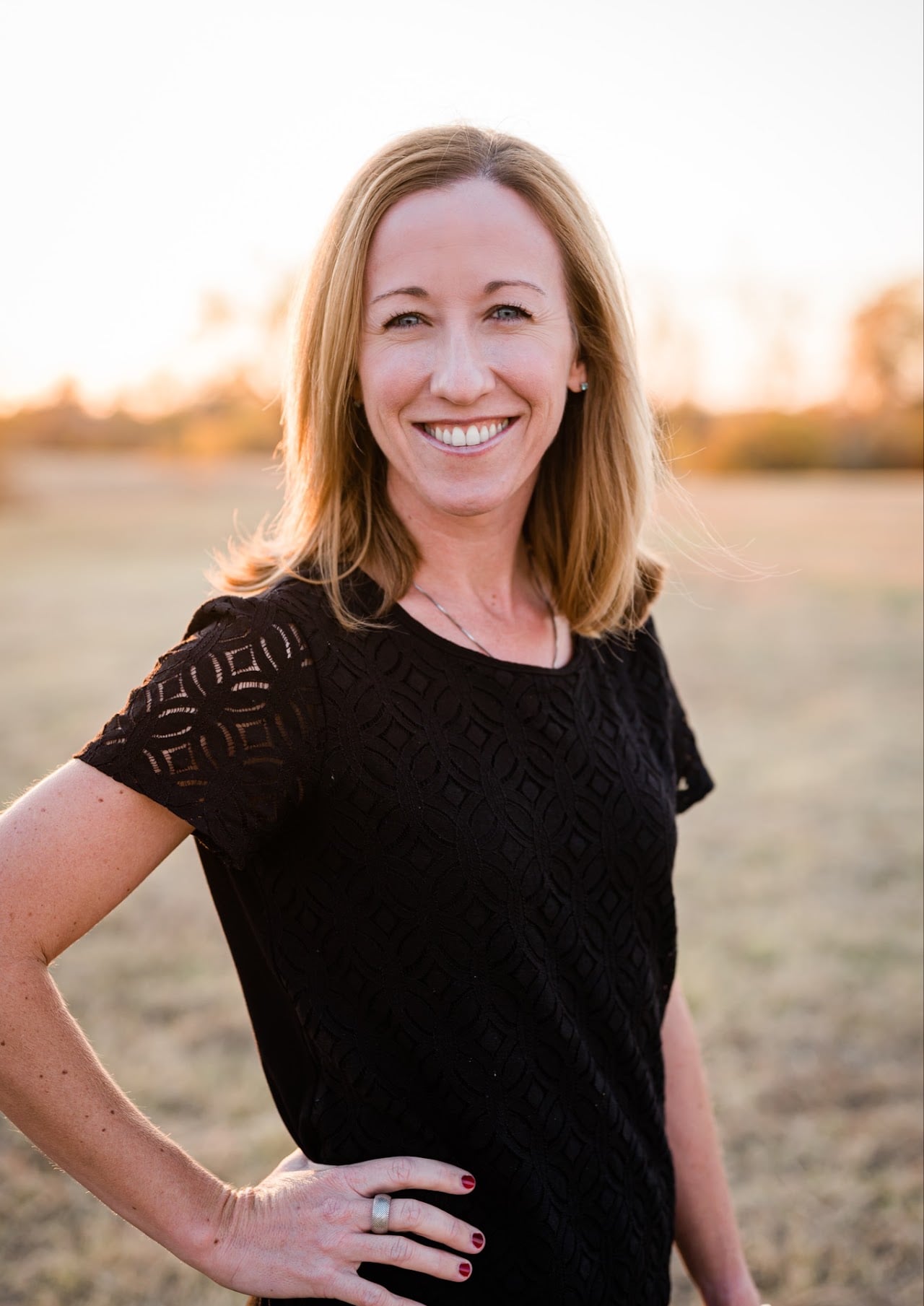
Dr. Kate C. Arnold, MD, MBA
Dr. Arnold leads ARPA-H's Making Obstetrics Care Smart (MOCS) program, an up to $90.7M initiative developing AI-enabled fetal monitoring. A board-certified OB/GYN, she joined ARPA-H in January 2025.

Sabrina Martucci Johnson
Sabrina founded Daré Bioscience in 2015 to advance therapies for unmet needs in women's health. She previously served as CFO and COO of Cypress Bioscience and President of WomanCare Global, and was named to Forbes' 2026 "50 Over 50: Innovation" list.
Your Women's Health Funding Strategy Starts Here
Women's health is finally being funded like the enormous, long-underserved market it is. Across the federal government, non-dilutive dollars for women's health research and development are expanding in both size and velocity - from the NIH Office of Research on Women's Health, to ARPA-H's bold bets on maternal health and fertility, to the Department of Defense's Congressionally Directed Medical Research Programs, to SBIR/STTR awards across NIH, DoD, and NSF. This session delivers an actionable playbook for the founders and investors building the next generation of women's health companies: how to secure that capital, generate the evidence that de-risks your science, and extend your runway without giving up equity.
This webinar builds directly on the active work inside the federal funding and equity markets to engage with agency program managers, successful SBIR/STTR and ARPA-H awardees, and the investors backing women's health innovation. Whether your work is in maternal and fetal health, fertility and contraception, menopause and hormonal health, women's cardiovascular or bone health, autoimmune disease, or diagnostics, this is your moment to put real federal funding and equity to work.
Fertility, contraception, endometriosis, PCOS
Maternal and fetal health, obstetric care
Hormonal health and midlife care
Heart, bone, brain, and cancer
The Federal Non-Dilutive Stack for Women's Health
No single agency funds women's health. The opportunity is a stack - a set of federal sources, each with its own mission, mechanisms, and timing - that a well-run company learns to work in sequence and in parallel.
NIH - Office of Research on Women's Health
NIH is the largest public funder of biomedical research in the world; ORWH coordinates women's health priorities across institutes - SCORE, IMPROVE, the Office of Autoimmune Disease Research, and NIH's Strategic Plan for Research on the Health of Women through 2028.
ARPA-H
Built to place high-risk, high-reward bets on breakthroughs a decade out. Milestone-driven and transition-focused, with women's health squarely in its sights - from its Sprint for Women's Health to fertility and diagnostics programs.
DoD - CDMRP
Born in 1992 from a breast cancer advocacy movement, now having managed more than $20B. Congress directs its funding annually - Breast Cancer, Ovarian Cancer, and Peer Reviewed Medical Research Programs.
BARDA
Funds late-stage medical countermeasures and, via DRIVe, earlier health-security innovation. Not a general women's health funder, but a real fit for maternal emergencies, sepsis, and diagnostics.
SBIR/STTR - NIH, DoD, NSF
America's Seed Fund is how most capital above actually reaches a small company, non-dilutively. Congress reauthorized SBIR/STTR in 2026, giving founders renewed multi-year certainty.
Dr. Kate Arnold leads ARPA-H's Making Obstetrics Care Smart (MOCS) program - an up to $90.7M effort to replace decades-old fetal monitoring with next-generation, AI-enabled tools. She spoke directly to how ARPA-H selects, funds, and pushes the boldest women's health ideas.
Where the Science - and the Money - Is Moving
Women's health has broken out of the reproductive-only box. The fastest-moving federal and private capital now follows whole-body, whole-lifespan science.
The U.S. has the highest maternal and infant mortality of any wealthy nation - now a top federal priority.
IVF innovation, predictive fertility diagnostics, and next-generation contraception, including male methods.
One of the largest, most underfunded markets in medicine, with active new federal interest.
Heart disease is the leading cause of death in women; osteoporosis disproportionately affects them.
Women carry roughly four out of five of the autoimmune burden; NIH now has a dedicated office.
Breast, ovarian, cervical, and endometrial cancers, where CDMRP and NIH pathways are deep and established.
The enabling layer across every category - often the cleanest fit for SBIR/STTR and NSF funding.
How the federal non-dilutive stack for women's health fits together - NIH/ORWH, ARPA-H, DoD CDMRP, BARDA, and SBIR/STTR - and which source fits which stage of your science.
How ARPA-H actually works, straight from a program manager: how it selects bold bets, structures milestones, and pushes performers toward transition and real-world impact.
Where the money is moving across women's health, and how to position for it.
What separates the companies that win federal awards from the ones that stall.
How to sequence non-dilutive capital to generate compelling data before, and without diluting, a priced round.
How to build one coherent federal funding strategy across agencies, rather than chasing one-off applications.
The common pitfalls women's health founders hit with federal funding, and how to avoid them.
How to read a shifting appropriations landscape and still build a fundable, multi-year plan.
How investors think about non-dilutive capital as a runway-extending, ownership-preserving tool.
What the Session Covered
A tight agenda: framing, discussion, and your questions.
The federal funding architecture for women's health.
With our speakers, on the stack, ARPA-H, and where the money is moving.
Your questions, answered directly by our speakers.
"Non-dilutive federal capital is the most underused lever in the women's health stack - the layer that lets a founder generate real clinical and technical evidence before, and without giving up equity in, a priced round."
This session is anchored by a leading voice from the women's health investment community - managing and general partners of the most active dedicated women's health venture funds, physician-investors, and biotech pioneers.
Get the Session Resources
Slides and full recording from our November 18, 2026 webinar
Download Resources